
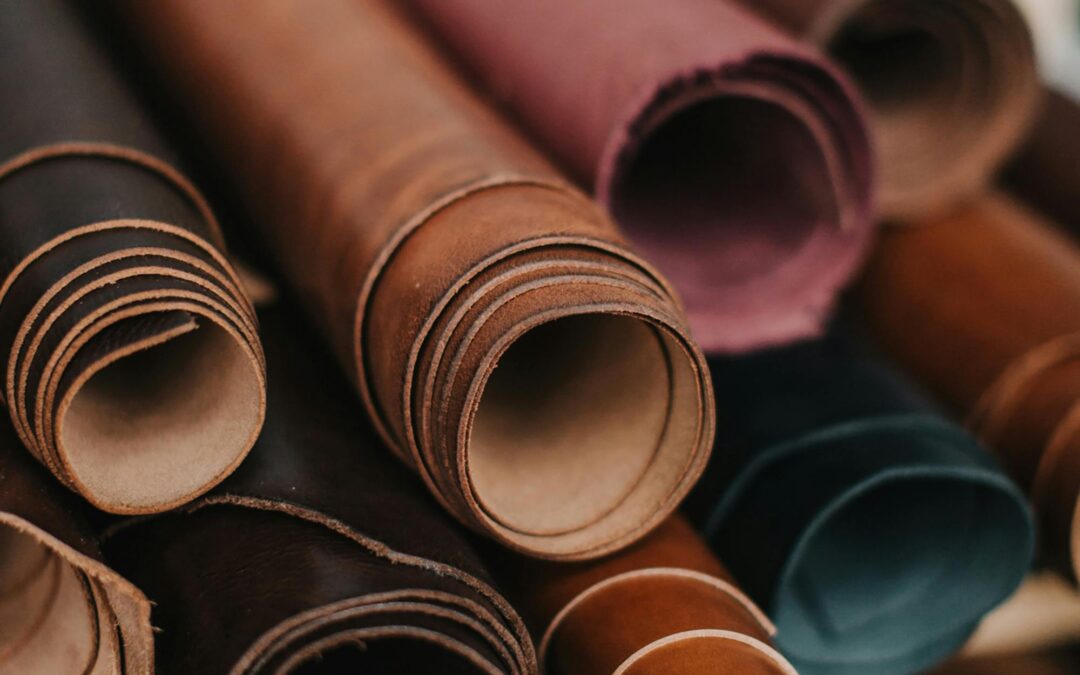
Knowing how to identify real leather can save you from wasting money on fakes that fall apart within months. If you’ve ever wondered how to identify real leather, you’re in the right place. This guide covers everything you need to know — from simple tests you can do in seconds to understanding what labels actually mean.
Contents
- 1 Why Choose Leather?
- 2 That ‘Leather’ You Bought? It Probably Wasn’t
- 3 Let’s Dissect the Guide the way it has to…
- 3.1 – Trust Your Nose — Real Leather Has a Smell Unlike Anything Else
- 3.2 – Feel the Surface — Imperfection Is the Point
- 3.3 –The Bend Test — Watch What Happens at the Fold
- 3.4 Look at the Edges — The Test Most People Miss
- 3.5 The Water Drop Test — Real Leather Breathes
- 3.6 Read the Label — Know What the Words Actually Mean
- 3.7 Types of Tanning — What It Means for Your Leather
- 3.8 The Price Story — Value vs Cost
- 3.9 The Bottom Line — Know What You’re Holding
- 4 Frequently Asked Questions
- 4.1 Q1. How can I tell if leather is real just by looking at it?
- 4.2 Q2. Does real leather always smell?
- 4.3 Q3. What is vegetable-tanned leather and why is it better?
- 4.4 Q4. What’s wrong with bonded leather?
- 4.5 Q5. Is vegan leather the same as faux leather?
- 4.6 Q6. How long does real leather last?
- 4.7 Q7. How do I care for real leather?
- 4.8 Q8. Why is Bulani leather different?
- 5 How to Identify Real Leather — Quick Summary
- 6 Frequently Asked Questions — How to Identify Real Leather
- 7 Explore More from Bulani
Why Choose Leather?
Leather is one of the oldest materials known to mankind. Long before factories and fast fashion, ancient civilization across India, Egypt and Italy trusted it for footwear, Armour and everyday life. Not because it was cheap. Because it lasted.
Real leather breathes, Mould to your body over time, and ages beautifully — developing a rich patina that makes it look more characterful with every passing year. The warmth, the earthy scent, the slight give under your fingers — no synthetic material has ever truly replicated it.
But today’s market is flooded with imitations — PU leather, bonded leather, faux leather — designed to look convincing and fall apart within months.
At Bulani, we craft exclusively with highest quality leather. Here’s how to make sure you’re always getting the real thing.
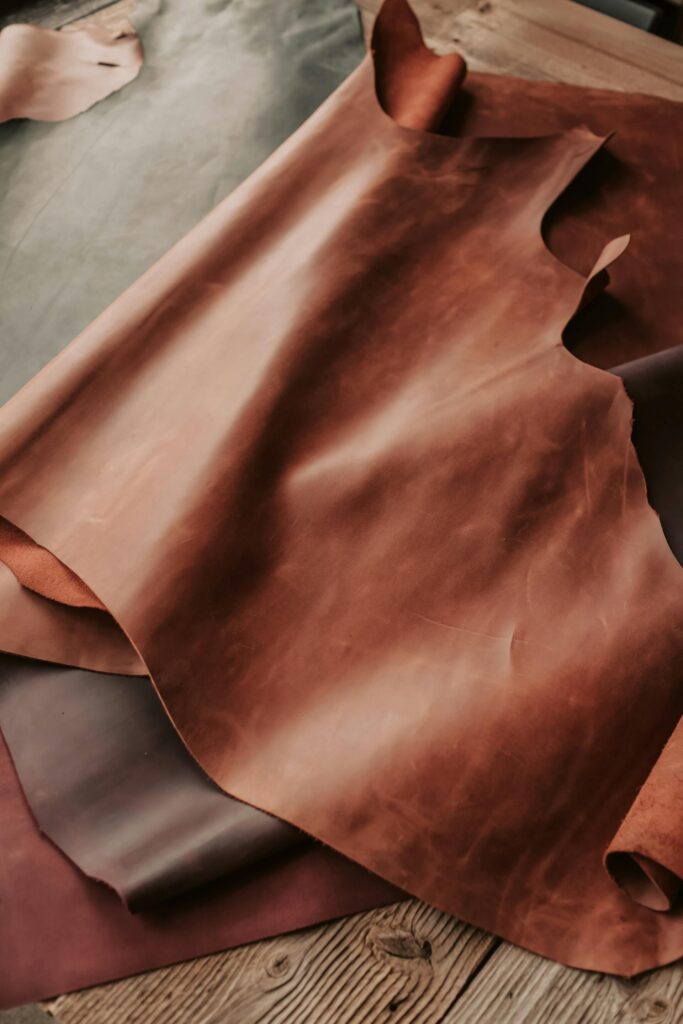
That ‘Leather’ You Bought? It Probably Wasn’t
Knowing how to identify real leather is something most people never learn. Let’s be honest — you’ve probably held something that was sold as leather, used it for a few months, and watched it peel, crack, or just fall apart. You’re not alone.
The market today is flooded with PU leather, bonded leather, faux leather — they’re designed to fool you.
So why choose real leather at all? Because nothing else comes close. Real leather breathes. It moulds to your shape. It gets better with age. But here’s the thing — to get all of that, you need to know what you’re actually buying. And that’s exactly what this guide is for.”Let’s walk through it together.”
- Trust Your Nose
- Feel the Surface
- The Bend Test
- Look at the Edges
- The Water Drop Test
- Read the Label
- Types of Tanning
- The Price Story
Let’s Dissect the Guide the way it has to…
– Trust Your Nose — Real Leather Has a Smell Unlike Anything Else
This is the first thing we tell anyone who asks us how to identify real leather. Before you look at it, before you touch it — smell it. Real leather has a warm, earthy, slightly musky scent that comes from the natural hide and the tanning process. It’s a smell that’s hard to describe but impossible to forget once you’ve experienced it.
Fake leather smells chemical. Plasticky. Sometimes almost sweet in an artificial way. That’s because PU and bonded leather are essentially plastic-coated fabrics — and no matter how well they’re made, they carry that synthetic smell. Some brands even spray a leather-like scent onto synthetic materials to fool buyers. But that scent fades within days. Real leather’s smell deepens and mellows over time — it never disappears.
Bulani Promise: Every piece we make is renowned International Standards. When you pick up a Bulani footwear or jacket, that clean, rich leather scent you notice? That’s authenticity. That’s what real smells like.
– Feel the Surface — Imperfection Is the Point
Real leather comes from animal hide, and animal hide is not perfect. It has natural grain patterns, tiny pores, faint scars, and subtle variations in texture across the surface. If you want to know how to identify real leather by touch, run your fingers slowly across genuine leather and you’ll feel something organic — warm, slightly textured, almost alive.
Faux leather feels cold, uniform, and slightly rubbery. And look closely at the grain — on genuine full-grain leather, the pattern varies naturally across the surface. On faux leather, the grain is stamped and repeats perfectly, like wallpaper. That’s the giveaway.
Bulani Promise: We use full-grain and top-grain vegetable-tanned leather — the highest quality grades available. Every Bulani piece carries the natural marks of the hide it came from. We don’t hide those variations. We celebrate them — because they’re proof of what you’re holding.
–The Bend Test — Watch What Happens at the Fold
Pick up the leather item and gently fold it. Watch the surface carefully. With genuine leather — especially vegetable-tanned or full-grain leather — the surface lightens slightly at the fold. This is called the pull-up effect. The fibres stretch naturally, causing a temporary lighter patch that slowly fades back as the leather relaxes.
Fake leather behaves completely differently. It either bends too stiffly, cracks along the fold, or peels over time. High-quality PU might mimic this briefly — but give it a few months and the truth shows, usually in the form of flaking along stress points.
Bulani Promise: The Cork Series – British tan & Deep Brown shades develop a beautiful pull-up when bent — a signature of exceptional full-grain leather that only gets better with age.
Look at the Edges — The Test Most People Miss
Turn the item over and look at the raw cut edges — the sides of straps, the inner borders of panels, the edges of soles. Genuine leather has fibrous, slightly rough edges. You can see the natural fibres of the hide — layered, organic, almost suede-like in texture.
Bonded and faux leather have smooth, clean, almost plastic-looking edges — because they are manufactured sheets laminated onto a fabric backing. The edge reveals the layers instantly. This single check takes three seconds and has saved many of our customers from costly mistakes.
Bulani Promise: At Bulani, we hand-finish and burnish every edge of our leather products. But the natural fibre structure of the hide is always visible underneath — and we’re proud of that. It’s a mark of real material, real craft.
The Water Drop Test — Real Leather Breathes
Place a small drop of water on the surface and watch what happens. Genuine leather will slowly absorb it — you’ll see a faint darkening as the leather draws the moisture in. This is because real leather is porous and breathing, just like skin.
Faux leather will repel the water entirely — the drop beads up and rolls off. Brands selling synthetic leather often call this “water resistance.” But it’s actually a sign that the material can’t breathe, which means heat and moisture get trapped, leading to discomfort and faster deterioration from the inside out.
Bulani Promise: Our vegetable-tanned leather is naturally breathable — your feet stay comfortable even in warm conditions because the leather works with your body, not against it.
Read the Label — Know What the Words Actually Mean
Labels can be tricky. Here’s a quick breakdown:
- Full-Grain Leather — Highest quality. Natural grain intact. Most durable, best patina.
- Top-Grain Leather — Second grade. Slightly sanded and finished. Still genuine and high quality.
- Genuine Leather — Technically real, but lowest grade. Won’t last long.
- Bonded Leather — Not real leather. Scraps glued together with polyurethane. Peels within a year.
- PU / Vegan / Faux Leather — Entirely synthetic. No real leather content.
- Vegetable-Tanned — The gold standard. Tanned with natural plant-based tannins. Durable, chemical-free, ages beautifully.
- Chrome-Tanned — Most common commercially. Uses chromium salts for faster tanning. Softer and more uniform, but doesn’t develop the same patina as vegetable-tanned.
Bulani Promise: Every Bulani product is full-grain or top-grain, When we say leather — we mean it.
Types of Tanning — What It Means for Your Leather
The way leather is tanned determines everything — its durability, its feel, how it ages, and how natural it is. Here’s a quick breakdown:
- Vegetable Tanning — The oldest and most natural method. Uses plant-based tannins from tree bark and roots. Produces firm, durable leather that develops a rich patina over time. Takes weeks to complete — but the result is worth every day. This is the gold standard.
- Chrome Tanning — The most common method today. Uses chromium salts to tan the hide in just hours. Produces softer, more uniform leather at a lower cost. Widely used in commercial goods — not bad leather, but it lacks the natural character and longevity of vegetable-tanned.
- Combination Tanning — A mix of both. Starts with chrome tanning for softness, then finished with vegetable tannins for character and durability. A good middle ground used by quality makers.
- Aldehyde Tanning — Uses glutaraldehyde compounds. Produces very soft, washable leather. Common in baby shoes and automotive interiors.
- Synthetic Tanning — Uses synthetic chemical compounds. Produces consistent results quickly but lacks the natural properties of traditional methods.
Bulani Promise: We use exclusively vegetable-tanned leather and chrome tanned leather— because we believe the best things take time. Our leather is tanned the slow, natural way — and it shows in every piece we make.
The Price Story — Value vs Cost
Real leather is expensive to source, tan, and craft well. If you’re looking at “leather” sandals priced at ₹1000 or a “leather” jacket at ₹5,000 — ask yourself how that’s possible. The answer, almost always, is that it isn’t real leather.
But price alone isn’t a guarantee either. Plenty of brands charge premium prices for synthetic materials dressed up with good marketing. That’s why knowing the physical tests in this guide matters — price is context, not proof. A pair of genuine leather sandals that lasts five to ten years is infinitely better value than cheap faux leather you replace every six months.
Bulani Promise: We price our products honestly. You’re paying for genuine materials, skilled craftsmanship, and ethical sourcing — not for a logo. Real luxury should last. At Bulani, that’s exactly what we build.
The Bottom Line — Know What You’re Holding
Real leather isn’t just a material. It’s a commitment — to quality, to craft, to something that gets better with time rather than worse. These seven tests take less than two minutes. The next time you’re in a store or browsing online — smell it, feel it, bend it, check the edges, drop some water on it, read the label, and think about the price.
Two minutes. That’s all it takes. Now you know how to identify real leather — every single time.
And if you ever want to skip the guesswork entirely — explore the Bulani collection and see our craftsmanship for yourself.
— The Bulani Team | Get in touch with us for bespoke leather enquiries.
Frequently Asked Questions
Q1. How can I tell if leather is real just by looking at it?
Look at the grain pattern. Genuine leather has natural, irregular grain that varies across the surface. Faux leather has a stamped, repeating pattern that looks too uniform and perfect. Also check the edges — real leather has fibrous, rough edges while synthetic leather shows smooth, layered edges.
Q2. Does real leather always smell?
Yes. Genuine leather has a distinct warm, earthy, slightly musky scent that comes from the natural hide and tanning process. It deepens over time. Synthetic leather smells chemical or plasticky — and any artificial leather scent sprayed on fakes fades within days.
Q3. What is vegetable-tanned leather and why is it better?
Vegetable tanning is the oldest and most natural tanning method — using plant-based tannins instead of chemicals. It produces firmer, more durable leather that develops a beautiful patina over time. It’s better for the environment, better for longevity, and better for you.
Q4. What’s wrong with bonded leather?
Bonded leather is made from leftover leather scraps and fibres ground up, mixed with polyurethane, and pressed into sheets. It looks like real leather initially but begins to peel, crack and flake within a year. It’s the lowest quality product sold under the “leather” label.
Q5. Is vegan leather the same as faux leather?
Yes. Vegan leather, faux leather, and PU leather are all synthetic materials with no real leather content. They’re made from plastic-based materials. While they avoid animal products, they are not as durable or breathable as genuine leather and often end up in landfill faster.
Q6. How long does real leather last?
With proper care, genuine full-grain or vegetable-tanned leather can last anywhere from 10 to 30 years — sometimes even longer. It’s one of the most durable natural materials available. Compare that to faux leather, which typically starts deteriorating within 1–2 years.
Q7. How do I care for real leather?
Keep it clean with a soft dry cloth. Condition it every few months with a natural leather conditioner to maintain its suppleness. Keep it away from prolonged direct sunlight and moisture. Store it in a cool, dry place. Real leather rewards care — the more attention you give it, the better it looks.
Q8. Why is Bulani leather different?
At Bulani, we use exclusively full-grain and top grain, vegetable-tanned leather and chrome tanned leather sourced from LWG-certified tanneries. Every piece is handcrafted — no machines, no shortcuts. We’re transparent about where our leather comes from and how it’s made. When you buy Bulani, you’re buying something built to last a lifetime.
For More – Connect with us
How to Identify Real Leather — Quick Summary
To quickly recap, here is how to identify real leather in 7 steps. Knowing how to identify real leather is a skill that takes just minutes to learn but saves you years of disappointment. When you know how to identify real leather, you stop buying fakes and start investing in quality that lasts.
The seven tests that show you how to identify real leather are: the smell test, the feel test, the bend test, the edge test, the water drop test, the label test, and the price test. Each one of these is a reliable, proven way to know how to identify real leather before you buy.
Frequently Asked Questions — How to Identify Real Leather
How to identify real leather by smell?
Genuine leather has a warm, earthy, organic scent. If you want to know how to identify real leather by smell, simply pick it up and breathe in. Real leather smells rich and natural. Synthetic leather smells chemical or plasticky.
How to identify real leather by touch?
The best way how to identify real leather by touch is to run your fingers slowly across the surface. Genuine leather feels warm, slightly textured, and organic. Faux leather feels cold, uniform, and rubbery.
How to identify real leather vs fake?
The most reliable ways how to identify real leather vs fake are the edge test and the bend test. Real leather has fibrous edges and a pull-up effect when bent. Fake leather has smooth, laminated edges and cracks or peels under stress.
How to identify real leather at a shop?
When shopping, here is how to identify real leather quickly: smell it, bend it, look at the edges, and check the label. If it says full-grain or vegetable-tanned — that is the gold standard.
— The Bulani Team
Explore More from Bulani
Now that you know exactly how to identify real leather, why not see it in action? At Bulani, every piece is crafted from genuine, vegetable-tanned leather — the kind that passes every test in this guide.
- Browse the Bulani Collection — handcrafted leather footwear and jackets made to last a lifetime.
- Our Story — learn how Bulani was built on a commitment to genuine craft and real materials.
- Get in Touch — have a question about leather or want a bespoke piece? We’d love to hear from you.
Trackbacks/Pingbacks