
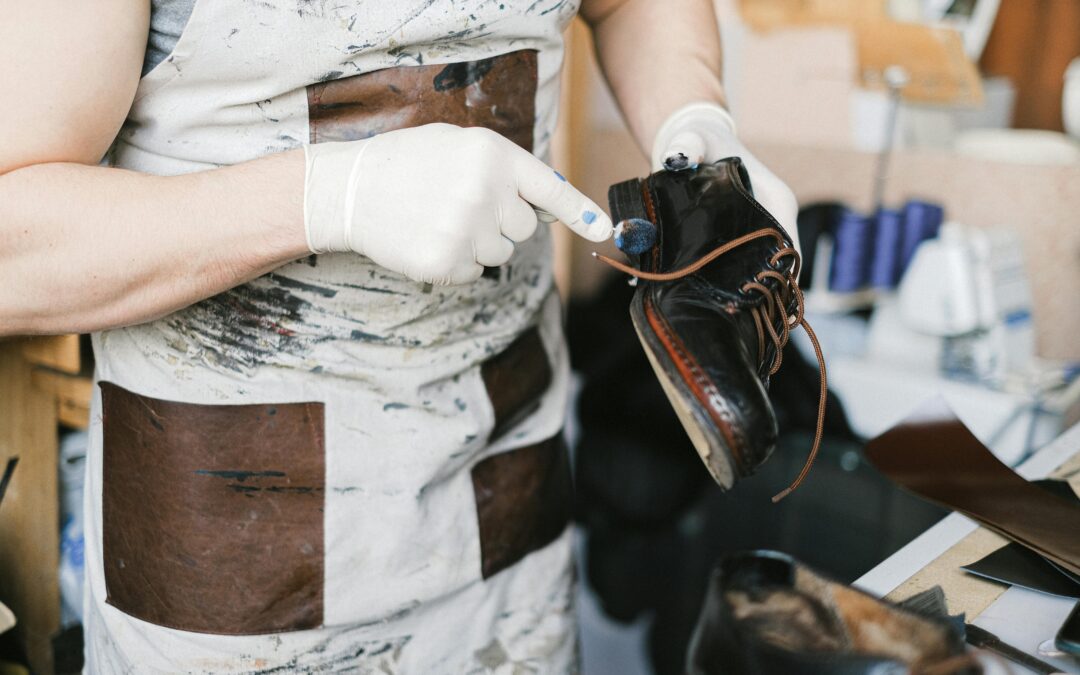
Knowing how to care for leather properly is what separates a piece that lasts a decade from one that falls apart in a season. There is a reason people talk about leather with a kind of reverence — a great leather bag, a well-worn pair of sandals, a jacket that has lived through years of stories. These things don’t just survive the years. They improve through them.
But here is the truth most people don’t know: leather does not last on its own. It lasts because of the person who owns it.
Leather is not plastic. It is not synthetic. It is a natural material — once living, still breathing — and it responds to the way you treat it. Ignore it, and it will dry, crack, and fade. Care for it correctly, and it will outlast almost anything else in your wardrobe.
This guide is for people who take their leather seriously. Whether you own a pair of Bulani handcrafted sandals, a vegetable-tanned leather jacket, or any leather piece you genuinely love — these are the practices that will keep it with you for a lifetime.
- Cleaning the right way
- Conditioning before it dries
- Protecting from water and heat
- Storing correctly
- Handling scratches and scuffs
- Caring for suede and nubuck
- Knowing when to go to a professional
Contents
- 1 That Leather Piece You Ignored? It’s Already Telling You Something
- 2 Let’s Dissect the Guide the Way It Has to Be Done
- 2.1 1 — Clean First, Always — But Never With Soap and Water
- 2.2 2 — Condition Regularly — Leather Is Skin, Not Stone
- 2.3 3 — Water Is the Enemy — But Not an Impossible One
- 2.4 4 — Heat and Sun Are Silent Destroyers — The Risk You’re Probably Taking
- 2.5 5 — Store It Correctly — Most Leather Damage Happens in the Wardrobe
- 2.6 6 — Scratches and Scuffs Are Not the End — Here’s What To Do
- 2.7 7 — Suede and Nubuck Need a Different Approach Entirely
- 3 Frequently Asked Questions
That Leather Piece You Ignored? It’s Already Telling You Something
Most leather damage is not sudden. It is slow and quiet — a gradual loss of moisture, a surface that starts to look dull, edges that begin to lift. By the time you notice the crack, the leather has been asking for attention for months.
The good news is that proper leather care is not complicated. It requires consistency, not effort. A few minutes every few weeks is enough to keep even the finest leather in exceptional condition.
Let’s walk through it together.
Let’s Dissect the Guide the Way It Has to Be Done
1 — Clean First, Always — But Never With Soap and Water
The first instinct when leather looks dirty is to wipe it down with a damp cloth or reach for a household cleaner. Both are mistakes.
Water, especially in excess, strips leather of its natural oils and can leave permanent watermarks. Soap disrupts the pH of the leather surface and accelerates drying. Household cleaners are even more aggressive — many contain chemicals that will bleach or crack the surface on contact.
The correct approach is to use a dedicated leather cleaner — a pH-balanced formula designed specifically for the type of leather you are caring for. Apply it with a soft, lint-free cloth in gentle circular motions. Do not scrub. Do not soak.
For day-to-day maintenance, a dry microfibre cloth used after each wear is enough to remove dust, salt, and light surface grime before they settle in.
Bulani Promise: Most Bulani pieces are made from vegetable-tanned leather — a natural, chemical-light tanning process that makes our leather more responsive to proper care. Our leather is LWG certified — meeting the highest global standards for quality and sustainability. VT leather cleans beautifully with minimal product and rewards consistency more than any other type.
2 — Condition Regularly — Leather Is Skin, Not Stone
Leather loses moisture over time. Sunlight accelerates it. Heat accelerates it. Air conditioning accelerates it. Even regular use — the bending, the friction, the exposure — draws moisture out of the fibres. When leather dries out completely, it cracks. And once a crack goes deep enough, it cannot be undone.
Conditioning replenishes the natural oils in the leather, keeping the fibres supple, flexible, and resistant to cracking. It also restores the depth and richness of the colour.
Use a high-quality leather conditioner — beeswax-based or lanolin-based products are excellent for most full-grain and vegetable-tanned leathers. Apply a small amount to a soft cloth, not directly to the leather, and work it in gently across the entire surface. Let it absorb for 15–20 minutes, then buff off any excess with a clean cloth.
How often? Every 4–6 weeks for pieces you use regularly. Every 3–4 months for pieces in storage.
Bulani Promise: Bulani’s leather has a naturally open grain structure that absorbs conditioner beautifully. After a good conditioning session, you will notice the leather becomes noticeably richer in colour and softer to the touch — that is the leather doing exactly what it was made to do.
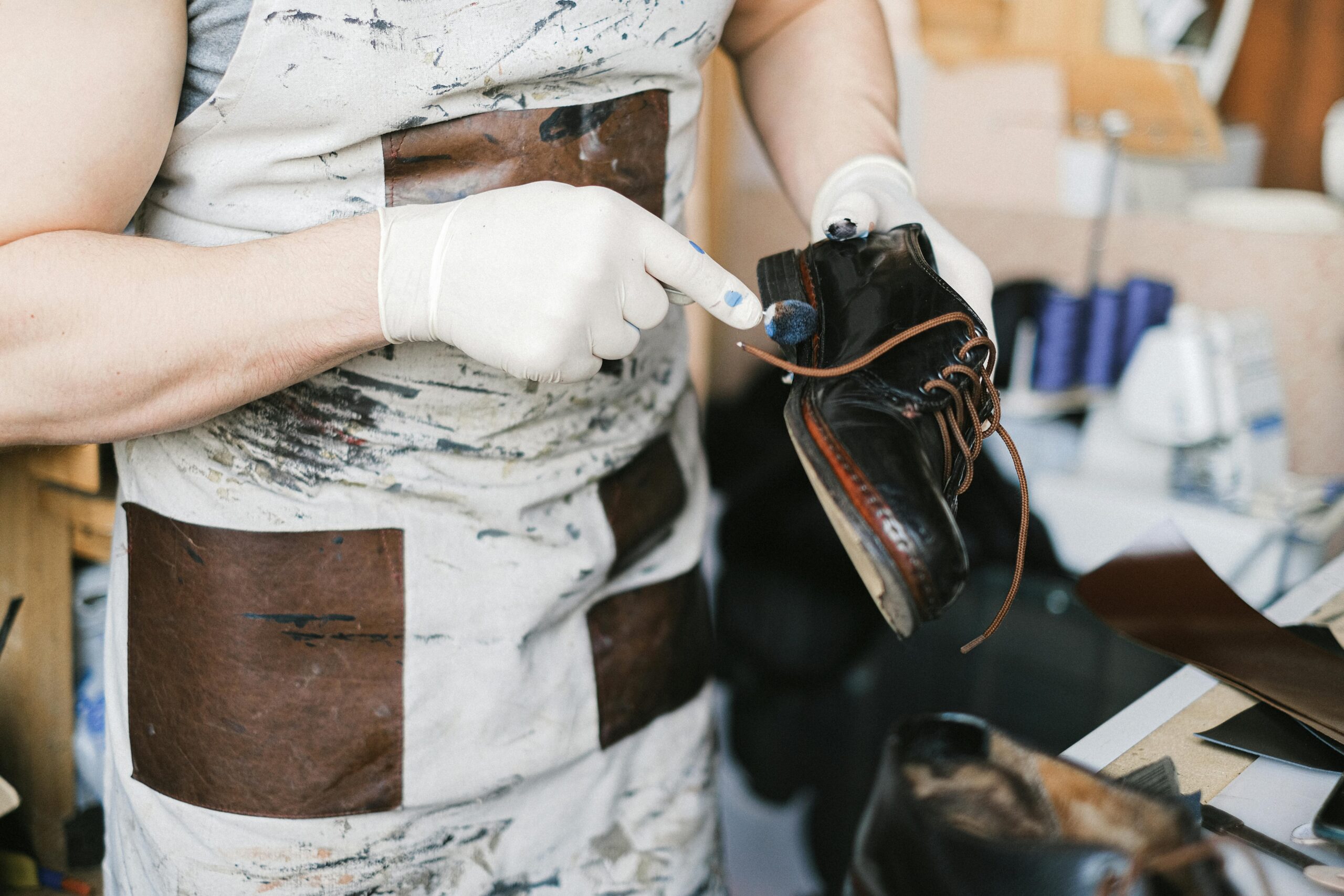
3 — Water Is the Enemy — But Not an Impossible One
Leather and water have a complicated relationship. A little moisture, managed correctly, is fine. Sustained exposure to water — rain, puddles, a spilled drink — is genuinely damaging if not treated immediately.
When leather gets wet, do not panic — but act quickly. Blot (never rub) the excess water with a clean dry cloth. Then allow the leather to dry naturally, at room temperature, away from any direct heat source. Do not use a hair dryer, do not place it near a radiator, and do not leave it in the sun to dry. Heat causes leather to shrink, stiffen, and crack.
Once dry, condition immediately — water pulls oils out of the leather as it evaporates.
For ongoing protection, use a leather water protector spray — a light coating applied every few months creates a breathable barrier against moisture without suffocating the leather. Spray evenly from about 20–30cm away, allow to dry fully, and buff lightly.
Bulani Promise: It is highly recommended not to use leather during monsoon or rainy season. Leather is delicate — when exposed to prolonged water, it loosens the fibres, making them brittle and causing the piece to shift shape and lose its form permanently.
4 — Heat and Sun Are Silent Destroyers — The Risk You’re Probably Taking
Of all the things that damage leather, prolonged exposure to direct sunlight and heat are the most destructive — and the most overlooked.
UV light breaks down the proteins in the leather surface, causing fading, brittleness, and eventual cracking. Heat draws moisture out at an accelerated rate and can cause warping or shrinkage in structured pieces like bags and shoes.
The rules are simple. Do not leave leather items in a parked car. Do not store leather near windows. Do not dry wet leather with any heat source. If you live in a particularly sunny or hot climate, make UV-protective leather spray part of your regular care routine.
Bulani Promise: Bulani’s natural leather develops a beautiful patina over time — a deepening of colour and character that is unique to each piece and each owner. This patina is the result of proper ageing. Direct sun exposure does not create patina — it creates fading. Protect it and let time do the rest.
5 — Store It Correctly — Most Leather Damage Happens in the Wardrobe
The way you store leather when you are not using it matters as much as how you use it.
Never store leather in plastic bags or sealed containers. Leather needs to breathe. Trapped moisture causes mildew, and a sealed environment prevents the natural exchange of air that keeps the leather stable. Use a dust bag — the kind that typically comes with quality leather goods — or a breathable cotton pillowcase.
For leather shoes and sandals, use a shoe tree or stuff them with acid-free tissue paper to help them hold their shape. Do not stack items directly on top of each other — the pressure creates creases and can distort the form of structured pieces.
Store in a cool, dry, dark place. A wardrobe shelf away from exterior walls is ideal. If you are storing for a longer period, condition the leather first, allow it to dry fully, and then store.
Bulani Promise: Each Bulani order comes with care instructions tailored to the specific piece. Sandals, slides, and jackets each have slightly different storage needs — and we want you to have that information from day one so your investment lasts.
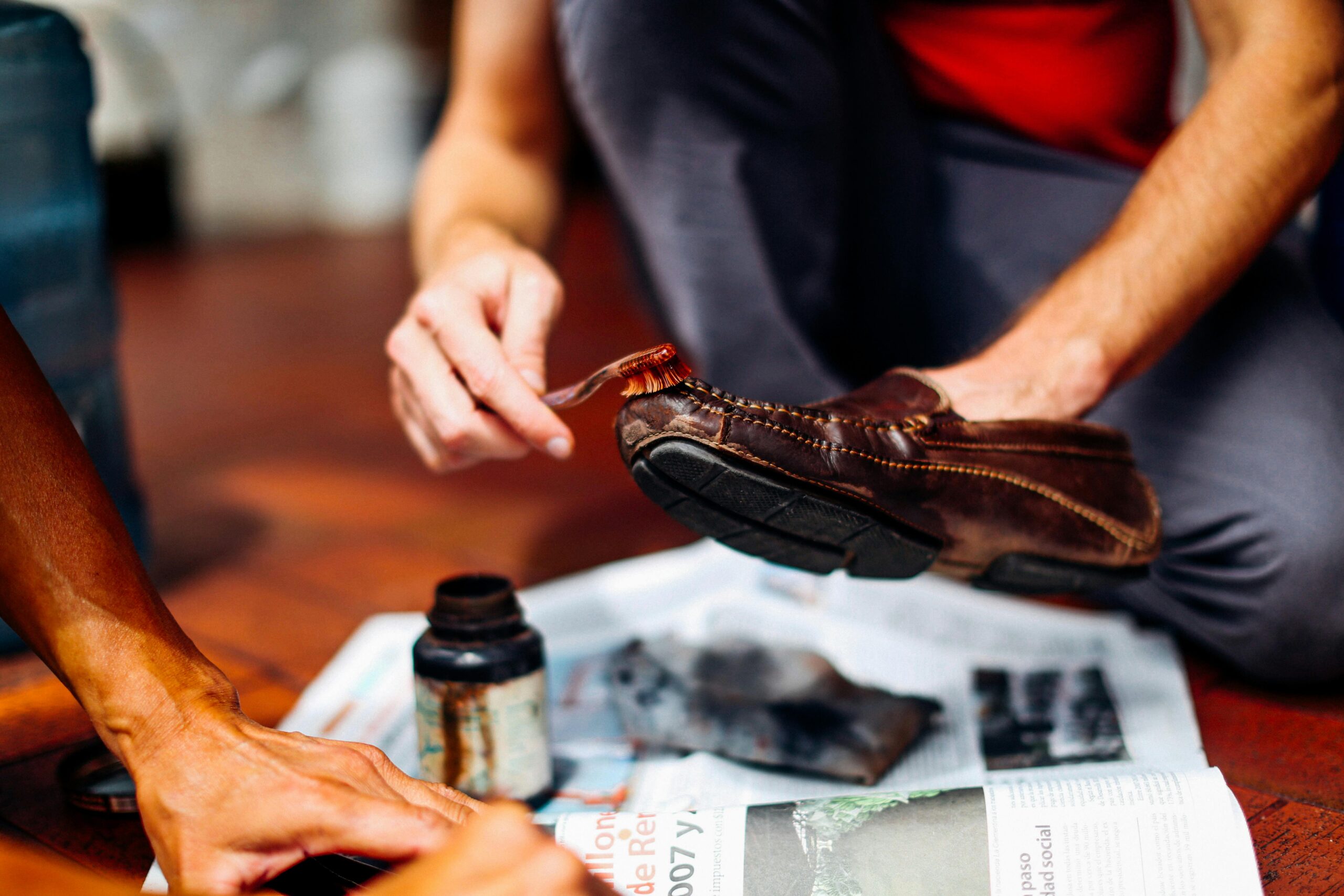
6 — Scratches and Scuffs Are Not the End — Here’s What To Do
Leather scratches. This is not a defect — it is the nature of the material. The key is knowing the difference between a surface scuff that can be treated and a deep gouge that requires professional attention.
For light surface scratches on smooth leather: apply a small amount of conditioner to your fingertip and rub gently into the scratch using a circular motion. The warmth of your finger and the oils in the conditioner will often cause the fibres to swell back into place and the scratch to become almost invisible.
For scuffs that have removed surface colour: a leather colour restorer matched closely to your leather’s shade can fill in the affected area. Apply in thin, light coats and allow to dry fully between applications.
For deep cuts or structural damage: stop. Do not attempt to repair these yourself with household products. Take the piece to a leather restoration professional — a good one can work near-miracles, and an amateur repair with the wrong product can make things permanent.
Bulani Promise: Full-grain and vegetable-tanned leather — the kind Bulani uses — is the most repair-friendly type of leather. Its surface is uncoated and open-grained, which means conditioners and colour restorers bond properly. Corrected grain and bonded leather often cannot be repaired at all.
7 — Suede and Nubuck Need a Different Approach Entirely
If any of your Bulani pieces or other leather goods are in suede or nubuck, the care rules are almost entirely different.
Suede and nubuck cannot be treated with standard leather conditioner — it will flatten the nap and cause dark, oily stains. They cannot be cleaned with water-based cleaners. They are significantly more delicate than smooth leather and require their own dedicated products.
Use a suede brush — a soft-bristled brush specifically designed for the material — to remove dry dirt and restore the nap. Brush in one direction, gently. For stains, use a suede eraser first — a gentle rubbing motion can lift many marks without product.
Always apply a suede protector spray before the first wear, and reapply every 2–3 months. This single step prevents the majority of suede damage.
Bulani Promise: Our Military Suede Jacket — Simply Suedes — is crafted from premium suede that develops its own character with wear. We include specific suede care guidance with every jacket because we know that suede, treated correctly, becomes more beautiful over time, not less.
Frequently Asked Questions
Q1. How often should I condition my leather?
For pieces you use regularly — sandals, bags, jackets — condition every 4–6 weeks. For pieces stored between seasons, condition before storage and again when you take them out. If the leather ever starts to feel stiff or look dull, that is a sign it needs conditioning immediately regardless of schedule.
Q2. Can I use olive oil or coconut oil to condition leather?
These are popular home remedies, but they are not recommended for quality leather. Both oils can go rancid over time inside the leather, causing unpleasant odour and potentially weakening the fibres. They also tend to darken leather unevenly and permanently. Use a dedicated leather conditioner — it is formulated specifically to penetrate and nourish leather without these side effects.
Q3. My leather has a white residue or haze on the surface. What is it?
This is called bloom or spew — it is natural wax or oil rising to the surface of the leather, particularly common in vegetable-tanned leather in cold conditions. It is not damage. Simply buff it away with a clean, dry cloth and the leather will look perfectly normal. It is actually a sign of high-quality, naturally tanned leather.
Q4. Can I machine wash leather?
Never. Machine washing destroys leather — the agitation, the heat, the detergent, and the prolonged water exposure will cause irreversible damage. Spot clean with appropriate leather cleaner only.
Q5. What is the best way to care for the leather sole of my sandals?
Leather soles benefit from a dedicated leather sole conditioner applied to the underside every month or two. Keep them away from abrasive surfaces where possible, and if they become wet, allow them to dry slowly and naturally before wearing again. Rotating between pairs significantly extends the life of the soles.
Leather care is not a chore. It is a practice — a small, regular act of respect for a material that has been crafted with great intention. At Bulani, every piece we make is designed to be owned for decades, not seasons. Give your leather the attention it deserves, and it will give you a lifetime in return.
Explore the Bulani collection at bulani.blog