
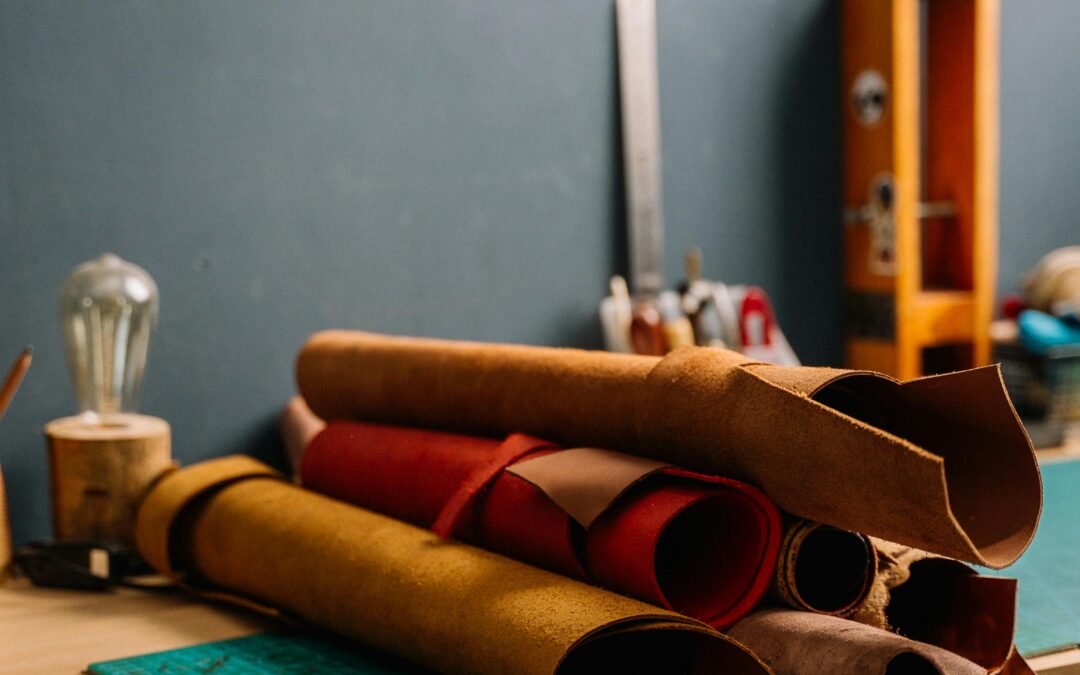
Understanding vegetable-tanned leather is the first step toward buying leather that actually lasts. Most people spend good money on leather goods without realising that not all leather is made equal — and the difference between a piece that ages into something magnificent and one that peels and cracks within a year often comes down to one thing: how it was tanned.
Vegetable tanning is the oldest method of leather production in the world. It is slow, expensive, and deeply uncompromising. And it produces leather that nothing else can replicate.
This guide covers everything you need to know — what vegetable-tanned leather actually is, how to identify it, why it costs more, and why it is worth every single rupee.
- What vegetable tanning actually means
- How it differs from chrome tanning
- Why it costs more — and why that’s justified
- How to identify vegetable-tanned leather
- The patina — leather that improves with age
- Sustainability and why it matters
- How to care for vegetable-tanned leather
Contents
- 1 That Cheap Leather You Bought? Here’s What It’s Actually Made Of
- 2 Let’s Dissect Vegetable-Tanned Leather the Way It Has to Be Done
- 2.1 1 — What Vegetable Tanning Actually Means — The Process Behind the Premium
- 2.2 2 — Vegetable Tanning vs Chrome Tanning — The Truth Nobody Tells You
- 2.3 3 — Why Vegetable-Tanned Leather Costs More — And Why That Price Is Justified
- 2.4 4 — How to Identify Vegetable-Tanned Leather — 5 Tests You Can Do Right Now
- 2.5 5 — The Patina — Why Vegetable-Tanned Leather Gets Better With Age
- 2.6 6 — Sustainability — The Environmental Case for Vegetable Tanning
- 2.7 7 — How to Care for Vegetable-Tanned Leather — Protecting Your Investment
- 3 Frequently Asked Questions
That Cheap Leather You Bought? Here’s What It’s Actually Made Of
Over 80% of the world’s leather is chrome-tanned. It is processed in days using chromium sulphate salts, comes out soft and uniform, and is cheap to produce at scale. It is the leather in most high street bags, fast-fashion belts, and mass-produced footwear. It looks and feels like leather. But it does not behave like leather.
Chrome-tanned leather does not develop character over time. It does not absorb oils and age into something richer. When it wears out, it wears out completely — cracking, peeling, and losing its structure irreversibly.
Vegetable-tanned leather is the opposite of all of this. Let’s break it down properly.
Let’s Dissect Vegetable-Tanned Leather the Way It Has to Be Done
1 — What Vegetable Tanning Actually Means — The Process Behind the Premium
Vegetable tanning is a process that uses naturally occurring tannins — organic compounds found in the bark, leaves, and fruits of plants such as oak, chestnut, mimosa, and quebracho. These tannins bind to the collagen fibres in the raw hide, transforming them into a stable, durable material we call leather.
The process takes anywhere from 30 days to 6 months, depending on the thickness of the hide and the tannery’s methods. The hides are submerged in large pits or drums containing progressively stronger tannin solutions, moving slowly from one pit to the next over weeks and months. The result is a hide that has been transformed at a molecular level — dense, firm, and deeply impregnated with natural compounds that will continue to interact with its environment for years after the piece is made.
Nothing is rushed. Nothing is forced. The leather simply takes the time it needs — and that patience is embedded in every fibre of the finished hide.
Bulani Promise: Every Bulani piece is crafted from vegetable-tanned, LWG certified leather sourced from tanneries that honour this slow process. We chose vegetable tanning not because it is a marketing term, but because it is the only type of leather that genuinely improves with the person who wears it.
2 — Vegetable Tanning vs Chrome Tanning — The Truth Nobody Tells You
The difference between vegetable and chrome-tanned leather is not just about price — it is about what the leather fundamentally is and what it is capable of becoming.
Chrome-tanned leather is processed fast, typically in 1–2 days. The chromium salts force a rapid chemical reaction that stabilises the hide quickly. The result is leather that is soft, stretchy, and uniform out of the pit — ideal for mass production. It is easier to dye, easier to cut, and easier to work with at scale. But it has a ceiling. It will not develop patina. It will not mould to your form. When it dries out, it cracks and cannot recover.
Vegetable-tanned leather comes out of the tannery firm and dense. It requires a skilled craftsman to work with — it does not behave like a soft, compliant material. But over time, with wear and care, it softens specifically to the person using it. It absorbs the oils from your hands, the light from the sun, the pressure of your steps — and it responds by becoming more beautiful, more personal, and more resilient.
One type of leather ages. The other simply wears out. The choice is clear for anyone who intends to own something for more than a season.
Bulani Promise: Most fast-fashion leather brands use chrome-tanned leather because it is cheaper and faster to work with. At Bulani, we absorb the extra cost and time of vegetable tanning because we believe the people who buy our pieces deserve leather that rewards them for years — not leather that disappoints them in months.
3 — Why Vegetable-Tanned Leather Costs More — And Why That Price Is Justified
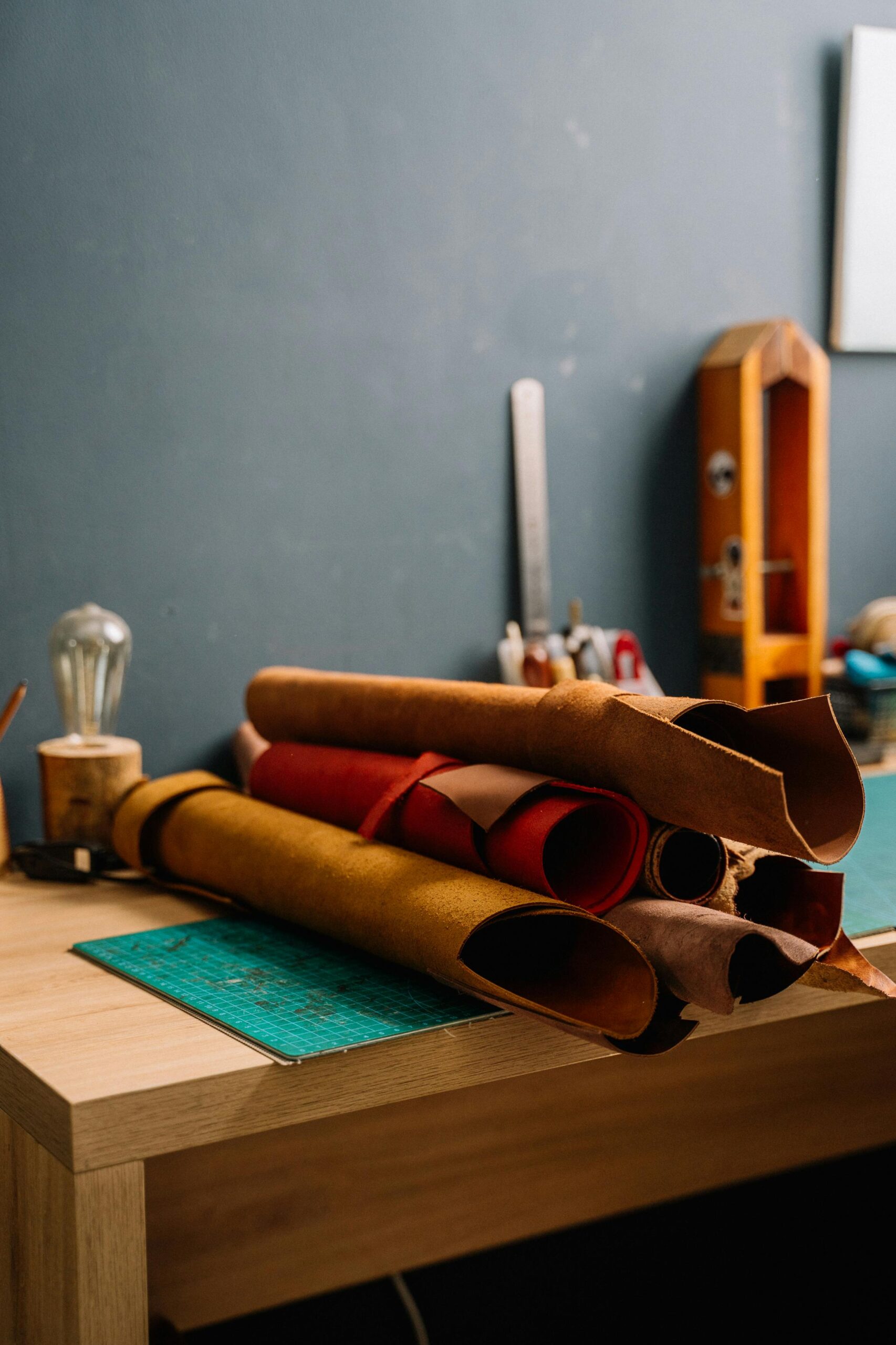
The price difference between chrome-tanned and vegetable-tanned leather is significant, and it is entirely justified. Here is where the cost comes from.
Time: Chrome tanning takes days. Vegetable tanning takes months. Every additional week in the tannery is a week of facility costs, labour, water, and natural materials. That time is absorbed into the price of every hide.
Skill: Vegetable-tanned leather is harder to craft. It requires more experienced hands to cut, stitch, and finish correctly. The craftsmen who work with it regularly are specialists, and their expertise commands a premium.
Material quality: Only the highest quality hides can withstand the vegetable tanning process without defects becoming pronounced. Chrome tanning can mask imperfections with pigments and corrective coatings. Vegetable tanning cannot — which means only the best raw material makes it through.
Longevity: A well-maintained piece of vegetable-tanned leather can last 20, 30, even 50 years. Calculate cost-per-year against a chrome-tanned piece that lasts 2–3 years, and the premium leather is almost always the more economical choice over time.
Bulani Promise: When you buy a Bulani piece, you are not paying for a brand name. You are paying for months of tanning, days of hand-crafting, and decades of potential use. That is not expensive. That is value — properly understood.
4 — How to Identify Vegetable-Tanned Leather — 5 Tests You Can Do Right Now
Knowing how to identify genuine vegetable-tanned leather protects you from paying a premium for chrome-tanned or bonded leather dressed up in marketing language. Here are five reliable tests.
The firmness test: Vegetable-tanned leather feels firm and almost board-like when new, especially in thicker pieces. Chrome-tanned leather feels soft and pliable straight away. If a “premium leather” product feels immediately soft everywhere, it is likely chrome-tanned or treated with softening agents.
The water test: Place a single drop of water on the surface. Vegetable-tanned leather will slowly absorb it, leaving a slight darkening that fades as it dries. Chrome-tanned or heavily finished leather will repel the drop. This is because vegetable-tanned leather’s open grain structure remains porous.
The smell test: Genuine vegetable-tanned leather has a distinct, earthy, organic smell — the result of natural tannins. It is unmistakeable once you know it. Chrome-tanned leather smells more chemical or plasticky. If a leather product has no discernible smell, it has likely been heavily coated.
The edge test: Look at the raw edges of the leather. Vegetable-tanned leather shows a natural, layered fibre structure at the edge — slightly rough, organic, showing the hide’s layers. Chrome-tanned and especially bonded leather often have smooth, clean, plastic-looking edges, or edges that have clearly been filled and painted over.
The bend test: Bend the leather sharply. Vegetable-tanned leather will show a visible crease or “pull-up” — a lighter area where the leather has been compressed. This is called a pull-up effect and is characteristic of natural, oil-rich leather. It fades back as the leather relaxes. Cheap leather does not show this effect cleanly.
Bulani Promise: Every Bulani piece passes all five of these tests naturally — because we use nothing but genuine full-grain, vegetable-tanned leather. We encourage you to test any piece you receive. The leather will answer every question you have.
5 — The Patina — Why Vegetable-Tanned Leather Gets Better With Age
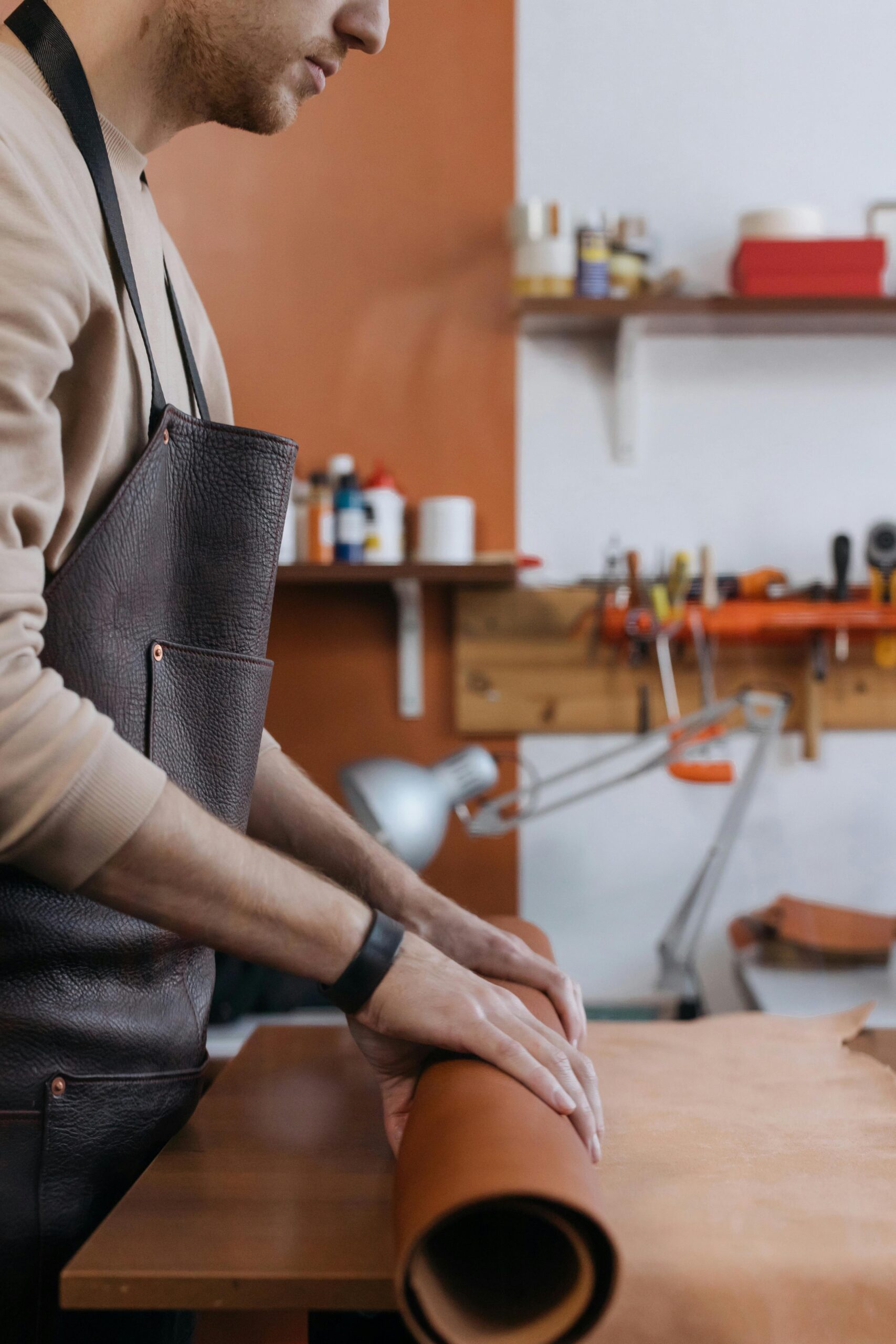
Patina is the single most compelling reason to choose vegetable-tanned leather — and it is something that simply cannot be faked, manufactured, or replicated in chrome-tanned leather.
Patina is the gradual deepening of colour, texture, and character that develops on vegetable-tanned leather as it ages. It is caused by the natural oils in your skin, exposure to light, the pressure of regular use, and the slow oxidation of the tannins within the hide. Over months and years, vegetable-tanned leather transitions from its original colour to something richer, darker, and entirely unique to its owner.
No two pieces develop the same patina. The sandals you wear every day will age differently from a pair worn only occasionally. A wallet carried in a back pocket tells a different story than one kept in a jacket. This is not wear — it is biography. It is the leather recording its life alongside yours.
Artisans, collectors, and leather enthusiasts around the world specifically seek out vegetable-tanned leather for this reason. The aged piece is considered more valuable, more beautiful, and more desirable than the new one.
Bulani Promise: Our Macrome and Cavandoli sandals, crafted from British Tan and Chestnut Brown vegetable-tanned hides, begin their patina journey the moment you first wear them. Within three months of regular wear, you will notice the leather deepening in tone and softening precisely where your foot rests. Within a year, your pair will be unlike any other pair in the world.
6 — Sustainability — The Environmental Case for Vegetable Tanning
Chrome tanning generates significant chemical waste. The chromium compounds used in the process are classified as hazardous in many countries, and the wastewater from chrome tanneries requires careful treatment to prevent serious environmental damage. While responsible chrome tanneries exist, the process carries an inherent environmental cost that vegetable tanning does not.
Vegetable tanning uses plant-derived tannins — biodegradable, renewable, and non-toxic. The wastewater from vegetable tanneries is significantly cleaner. The hides themselves, at end of life, biodegrade more naturally than chrome-tanned leather. And because vegetable-tanned leather lasts dramatically longer, fewer pieces need to be produced and discarded over time.
In an era where slow fashion and conscious consumption are becoming genuine values rather than buzzwords, vegetable-tanned leather is the natural choice for anyone who takes sustainability seriously.
Bulani Promise: Bulani’s leather is LWG certified — independently audited to meet the Leather Working Group’s rigorous environmental, social, and traceability standards. We chose LWG certification because we believe our customers deserve to know exactly where their leather comes from and how it was made.
7 — How to Care for Vegetable-Tanned Leather — Protecting Your Investment
Vegetable-tanned leather rewards care more than any other type of leather. Because it remains porous and natural, it absorbs conditioning products beautifully — and regular care directly translates into better patina, longer life, and more beautiful ageing.
Condition regularly with a beeswax or lanolin-based conditioner every 4–6 weeks for pieces in regular use. Apply with a soft cloth, allow to absorb for 15 minutes, and buff off any excess.
Avoid prolonged water exposure. If the leather gets wet, blot dry immediately and allow to dry naturally at room temperature — never with direct heat. Condition immediately after drying.
Keep away from direct sunlight for extended periods. Controlled sun exposure contributes to patina. Prolonged UV exposure causes fading and drying.
Store in breathable bags — never plastic. Allow the leather to breathe when not in use.
Bulani Promise: Every Bulani piece ships with a care card tailored to the specific leather and product. We do not expect our customers to figure out leather care on their own — we give them exactly what they need to keep their piece looking exceptional for decades.
Frequently Asked Questions
Q1. Is vegetable-tanned leather waterproof?
No — and this is intentional. Vegetable-tanned leather is porous by nature, which is what allows it to develop patina, absorb conditioner, and breathe. You can apply a water-resistant spray for light protection, but prolonged water exposure should be avoided. The leather is not fragile — it simply needs to be treated with the same respect you would give any quality natural material.
Q2. Will vegetable-tanned leather stretch?
Yes, over time and with wear. Vegetable-tanned leather starts firm and gradually softens and conforms to the shape of the wearer. Sandals will mould to the contours of your foot. A jacket will soften at the elbows and shoulders. This is not a defect — it is one of the most prized characteristics of the material and a sign of genuine quality.
Q3. How do I know if I’m buying genuine vegetable-tanned leather?
Look for brands that are transparent about their tanning process and can name their tannery or show certification. The Leather Working Group (LWG) certification is a strong indicator of responsible, traceable leather production. At Bulani, we use LWG certified, vegetable-tanned leather and are happy to answer any questions about sourcing.
Q4. Can I use vegetable-tanned leather in the Indian monsoon?
We recommend avoiding heavy rain exposure. During monsoon season, apply a quality water-resistant spray before use, and always dry and condition the leather immediately if it gets wet. For our cork-soled sandals specifically, the European cork sole offers natural water resistance at the base — but the leather upper should still be protected and maintained carefully through the monsoon months.
Q5. How long does vegetable-tanned leather last?
With proper care, vegetable-tanned leather goods can last 20 to 50 years or more. Many antique leather goods in museums and private collections are centuries old and were vegetable-tanned. The key is consistent conditioning, proper storage, and avoiding prolonged exposure to water and heat. The leather itself is not fragile — it is one of the most durable natural materials ever used in craft.
Vegetable-tanned leather is not a trend. It is not a buzzword. It is the original standard of leather excellence — the benchmark against which everything else is measured. At Bulani, it is not a feature. It is the foundation. Every sandal, slide, and jacket we make begins with this material, crafted by hands that understand what it is capable of becoming.
Explore the Bulani collection at bulani.blog