
If you’re searching for the best luxury leather jacket India has to offer, the challenge isn’t finding options — it’s finding the right one. The Indian market is flooded with jackets that look premium but fall apart within a season. This guide breaks down exactly what separates a jacket worth ₹15,000 from one worth ₹1,50,000 — and why the difference is almost never the price tag. Whether you’re buying your first luxury leather jacket in India or upgrading to something that lasts a lifetime, this is the only guide you need.
- Tanning method matters most — vegetable-tanned leather outlasts chrome-tanned by decades
- Full-grain is the only grade worth paying luxury prices for — anything less is a compromise
- Check the stitching — tight, even, and double-stitched at all stress points is non-negotiable
- Hardware tells the truth — solid brass or YKK zippers vs. lightweight pot metal reveals the brand’s real priorities
- Lining fabric matters — natural cotton or silk breathes; polyester traps heat and degrades faster
- Fit at purchase is final — quality leather doesn’t stretch to accommodate poor sizing
- A luxury leather jacket is a lifetime buy — treat the decision accordingly
Contents
What Actually Makes a Leather Jacket “Luxury”?
The word luxury is overused in fashion — especially in India, where the term gets applied to anything priced above ₹5,000. True luxury in a luxury leather jacket India buyers should look for means the hide, the craft, and the longevity all meet a standard that most brands never reach. Here’s how to read a jacket before you buy.
1. Leather Grade — Full-Grain vs. Everything Else
Full-grain leather is the outermost layer of the hide, left completely intact. It retains the natural grain, the strength, and the character of the animal’s skin. It’s the only grade that gets better with age — developing a rich patina that tells the story of every year it’s been worn. Top-grain leather has been sanded down to remove imperfections, sacrificing long-term durability for a uniform appearance. Genuine leather and bonded leather are marketing terms for scraps and byproducts pressed together — they peel, crack, and fail within years. If a brand doesn’t specify full-grain, assume the worst. For a deeper understanding of how to identify genuine leather grades, read our guide on how to identify real leather.
The Bulani Promise: Every jacket in the Bulani collection is made from 100% full-grain, vegetable-tanned leather. We don’t cut corners on the hide — because the hide is everything.
2. Tanning Method — The Process Behind the Product
Most leather in the market — including jackets sold as “premium” — is chrome-tanned. Chrome tanning is fast (24–48 hours), inexpensive, and produces a uniform, pliable result. But it ages poorly and doesn’t develop a patina. Vegetable tanning takes weeks — hides are slowly treated with natural plant-based tannins that produce a denser, more rigid hide that softens to the wearer’s body over time. It’s the process used by the finest leather houses in the world. To understand why this matters so much, read our complete guide on vegetable-tanned leather.
The Bulani Promise: Bulani uses only traditional vegetable tanning — it takes longer and costs more, but produces leather that improves with every passing year.
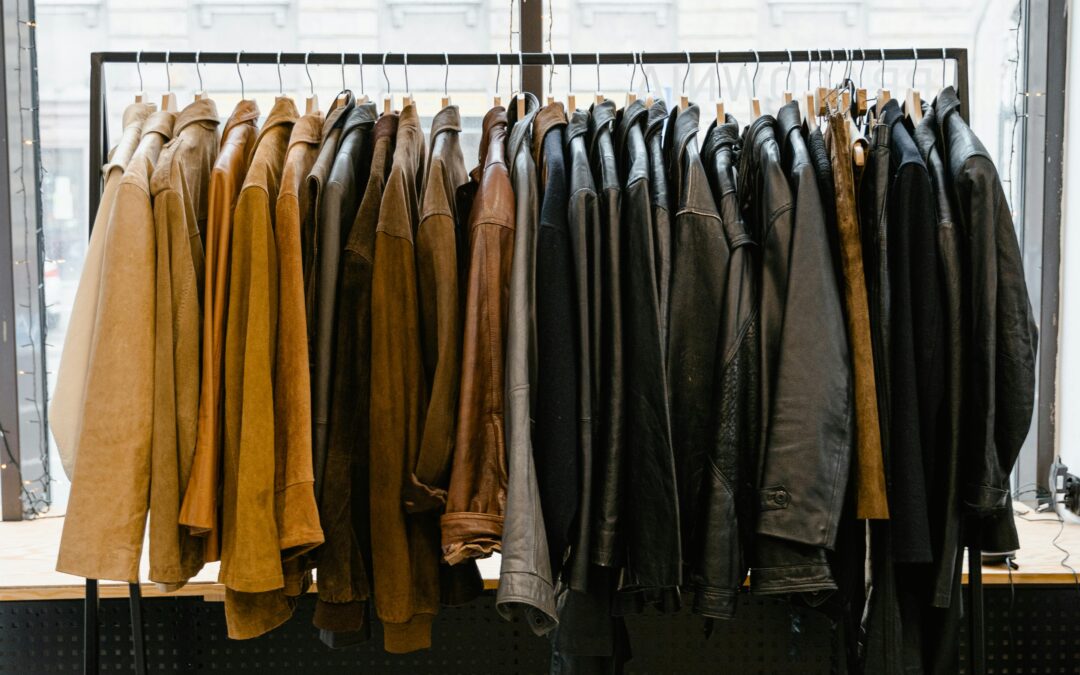
How to Evaluate a Luxury Leather Jacket India Buyers Should Know
Most buyers make their decision based on how a jacket looks on a hanger. That’s exactly backwards. A luxury leather jacket India shoppers can trust should be evaluated by what you can feel, smell, and test — not just what you can see.
3. The Smell Test — Natural vs. Chemical
Genuine, high-quality leather has a distinct earthy, slightly sweet smell that’s immediately recognisable. It’s the smell of natural processes, of something real. Chrome-tanned leather often smells chemical or synthetic — and bonded leather can smell almost plastic. Bring the jacket close and breathe in. If you’re uncertain, that uncertainty is itself a signal. A truly fine luxury leather jacket India craftsmen produce announces itself through smell alone.
The Bulani Promise: Bulani leather carries the unmistakable scent of traditional vegetable tanning. Our customers often tell us the smell alone told them they’d found something different.
4. The Touch Test — Texture, Temperature, and Weight
Run your hand across the surface of the jacket. Full-grain leather has a slightly irregular texture — you’ll feel the natural grain, small variations, the character of the hide. It should feel cool to the touch and substantial in weight. A jacket that feels too light is almost certainly a thinner, lower-grade hide. Thick, full-grain leather has a presence — it should feel like it means something when you pick it up.
The Bulani Promise: Bulani jackets use hides selected for durability and drape. The weight is intentional — it’s the weight of something built to last.
5. Stitching and Construction — Where Quality Hides
Turn the jacket inside out if you can. Check the seams — they should be clean, consistent, and reinforced at every stress point (shoulders, underarms, cuffs, pockets). Look for double stitching along the main seams. Examine the collar and lapels — they should lie flat and hold their shape. According to The Leather Conservation Centre, proper construction is the single biggest indicator of long-term durability in any leather garment.
The Bulani Promise: Every Bulani jacket is hand-finished and inspected at each stage of construction. We check what most buyers never think to look at — because we know you will, eventually.
The Indian Market — What to Watch Out For
Buying a luxury leather jacket India presents specific challenges that buyers in other markets don’t face in the same way. Here’s what to know before you shop.
6. Import vs. Domestic — Understanding Where Your Jacket Comes From
India has a long and respected tradition of leather craftsmanship — particularly in cities like Kolkata, Kanpur, and Chennai. But the mass-market has flooded both physical and online retail with low-grade imported jackets, often labelled “genuine leather” with little accountability. When shopping domestically, ask specifically about the source of the hide, the tanning process, and where construction takes place. Imported international brands will often run ₹80,000 and above once duties are factored in. The price should reflect the quality of the hide and the craftsmanship — not just the label.
The Bulani Promise: Bulani is proudly made in India — using internationally sourced full-grain hides and traditional Indian leather craft. You get world-class leather without the import premium.
7. Climate Considerations — Caring for Your Luxury Leather Jacket in India
India’s climate varies dramatically — from the cold winters of Delhi to the humid coastal cities of Mumbai and Chennai. A luxury leather jacket India owners take pride in requires more maintenance in high humidity — conditioning and careful storage to prevent mould and cracking. Full-grain, vegetable-tanned leather is significantly more resilient in these conditions. For detailed care instructions specific to Indian climates, see our guide on how to care for leather.
The Bulani Promise: Bulani jackets are conditioned before dispatch and come with care guidance specific to Indian climate zones. Your jacket arrives ready for wherever you are.
Frequently Asked Questions
What is the best luxury leather jacket India buyers can find?
The best luxury leather jacket India buyers can invest in is one made from full-grain, vegetable-tanned leather with solid brass hardware and hand-finished stitching. It’s the most durable grade, develops the richest patina over time, and holds up best in varying Indian climate conditions. Avoid genuine leather, bonded leather, or any jacket where the leather grade isn’t clearly specified.
How much should I spend on a luxury leather jacket in India?
A genuine luxury leather jacket made from full-grain hide with proper construction typically starts at ₹20,000–₹30,000 from a reputable domestic brand. Imported international brands will often run ₹80,000 and above once duties are factored in. The price should reflect the quality of the hide and the craftsmanship — not just the label.
How do I care for a leather jacket in India’s humidity?
In humid climates, leather should be conditioned every 2–3 months with a natural leather conditioner. Store the jacket in a breathable cotton bag — never plastic — in a cool, well-ventilated space. If the jacket gets wet, let it dry naturally away from heat sources. Do not fold leather for long-term storage; hang it to preserve its shape.
Is vegetable-tanned leather worth it?
Yes — unequivocally. Vegetable-tanned leather is denser, more durable, and develops a patina that makes the jacket look better with age rather than worse. The upfront cost is higher, but the cost-per-year over a lifetime of use makes it far more economical than replacing cheaper alternatives every few years.
Can I buy a Bulani luxury leather jacket India-wide with delivery?
Yes. Bulani ships across India with careful packaging designed to protect the leather in transit. Every jacket comes with a care guide tailored to your region’s climate, and our team is available to advise on sizing, styles, and care before and after purchase.
Ready to invest in a luxury leather jacket India craftsmen have perfected? Explore the Bulani collection — and discover what luxury leather really feels like.